
The Enduring Allure of Ruined Worlds: A Look at Upcoming Post-Apocalyptic Games in 2026
Explore the captivating world of post-apocalyptic fiction and video games, where humanity's fascination with survival and rebuilding thrives. Discover thrilling upcoming games like Atomfall and Chernobylite 2, offering immersive journeys into beautifully dangerous, desolate landscapes.
The fascination with the end is as old as storytelling itself. Humanity has always been drawn to narratives of cataclysm, from ancient flood myths to the technological nightmares of modern science fiction. This enduring curiosity about our own potential demise has birthed the rich genre of post-apocalyptic fiction—stories set in worlds fundamentally reshaped by disaster. As we look toward 2026, this fascination shows no signs of waning, especially in the realm of video games. The appeal is multifaceted: it offers a stark canvas to explore the raw edges of human nature, the primal challenge of survival, and the fragile hope of rebuilding from ashes. For players, it provides the unique thrill of navigating beautifully dangerous, unfamiliar landscapes from the safety of their own homes, a tension as compelling as watching a masterfully balanced house of cards in a gentle breeze.
🎮 Upcoming Journeys into Desolation
The post-apocalyptic landscape in gaming is set to expand dramatically, offering diverse visions of ruin, from nuclear wastelands to fantastical curses.
Atomfall beckons players into a uniquely British vision of collapse. Inspired by the real-life 1957 Windscale nuclear disaster, this open-world adventure carves its exclusion zone into the countryside of Northern England. It blends the factional politics and retro-futurism reminiscent of Fallout with the tense, atmospheric survival of S.T.A.L.K.E.R., creating a world where uncovering secrets is as vital as managing scarce resources. The game promises a setting steeped in local flavor, populated by characters that feel plucked from both sci-fi lore and English folklore.

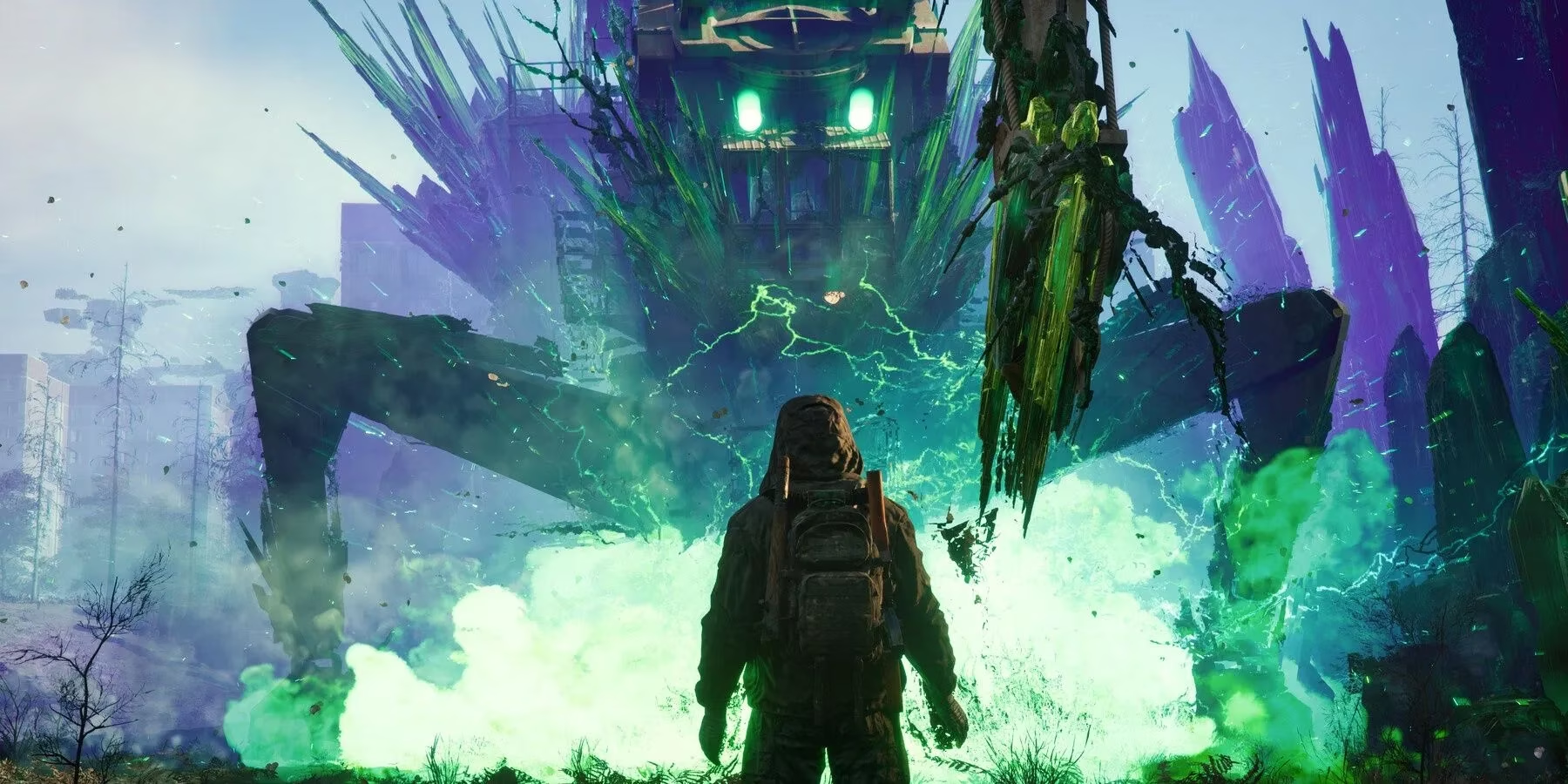
Chernobylite 2: Exclusion Zone returns to one of gaming's most haunting real-world locations. Building on the surreal success of its indie predecessor, this sequel aims to fully realize the developers' original vision. Players will step into the boots of a customizable stalker exploring a seamless, open-world version of the Chernobyl Exclusion Zone. With greater production values, the team at The Farm 51 promises a larger world, more intricate characters, and a deeper narrative, all set against the backdrop of a place forever marked by catastrophe.
Clair Obscure: Expedition 33 presents a post-apocalyptic scenario of a more fantastical and chilling variety. In this dark fantasy world, a mysterious entity known as the Paintress decrees death by painting a number on an obelisk each year, killing all who have reached that age. As the numbers count down, society crumbles under the weight of this existential curse. Players lead the titular expedition—a desperate, likely doomed mission—into an uncharted continent to find and stop the Paintress, battling both environmental dangers and the crushing inevitability of their world's end.
🌌 Sequels and New Visions
Established franchises and celebrated creators are also preparing to revisit or reinvent their visions of the end times.
Death Stranding 2 promises to double down on the bizarre, surreal apocalypse that defined Hideo Kojima's first entry. Moving beyond the fractured United States, courier Sam Bridges continues his work to reconnect humanity's survivors. The sequel teases a narrative even more enigmatic than the first, featuring tar-encased women, sentient stop-motion puppets, and the ambiguous fate of the baby Lou. For fans of the original's unique blend of delivery logistics and existential horror, the sequel looks to be a journey as unpredictably strange as a dream transcribed by an alien poet.

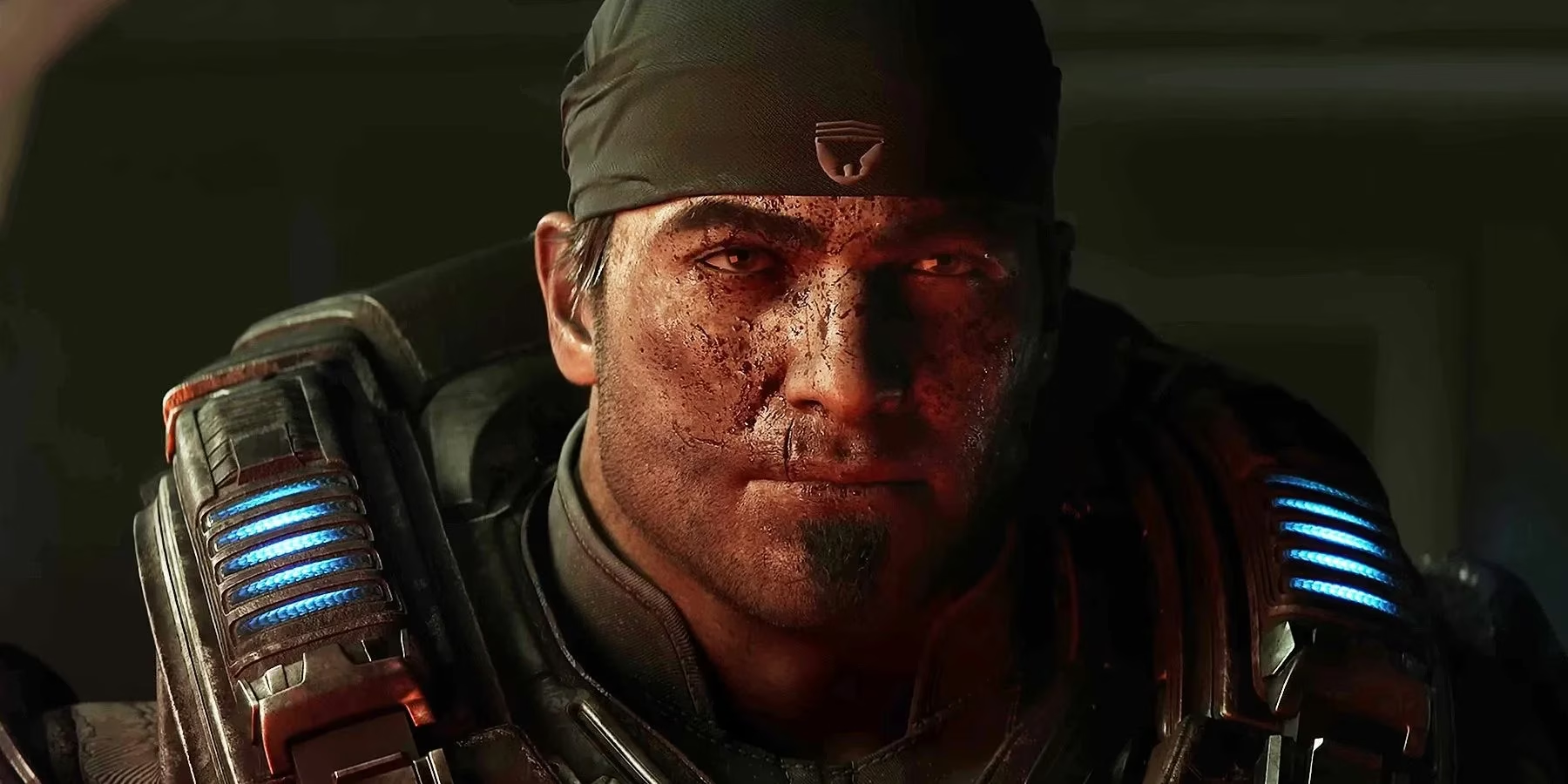
Gears of War: E-Day shifts the perspective of the long-running series. Instead of continuing the war against the Locust Horde, this prequel plunges players into the chaotic, terrifying first hours of the apocalypse—Emergence Day. We witness a younger Marcus Fenix and Dominic Santiago as humanity is blindsided by an enemy from below, struggling merely to survive the initial onslaught. This game reframes the entire conflict, exploring the raw, immediate horror of societal collapse rather than the protracted war that followed.
Judas, from BioShock creator Ken Levine, transports the apocalypse to the stars. The game is set aboard the Mayflower, a generation ship that fled a dying Earth only to succumb to internal disaster. Players assume the role of Judas, the one person who both caused the ship's crisis and might be its only salvation. Levine's described "narrative LEGO" system means player choices will dynamically shape the story, as Judas navigates the derelict vessel and manipulates a trio of warring AIs, each with conflicting agendas for the last remnants of humanity.
🔧 Diverse Approaches to the End
The genre continues to evolve, embracing new perspectives, tones, and gameplay styles.
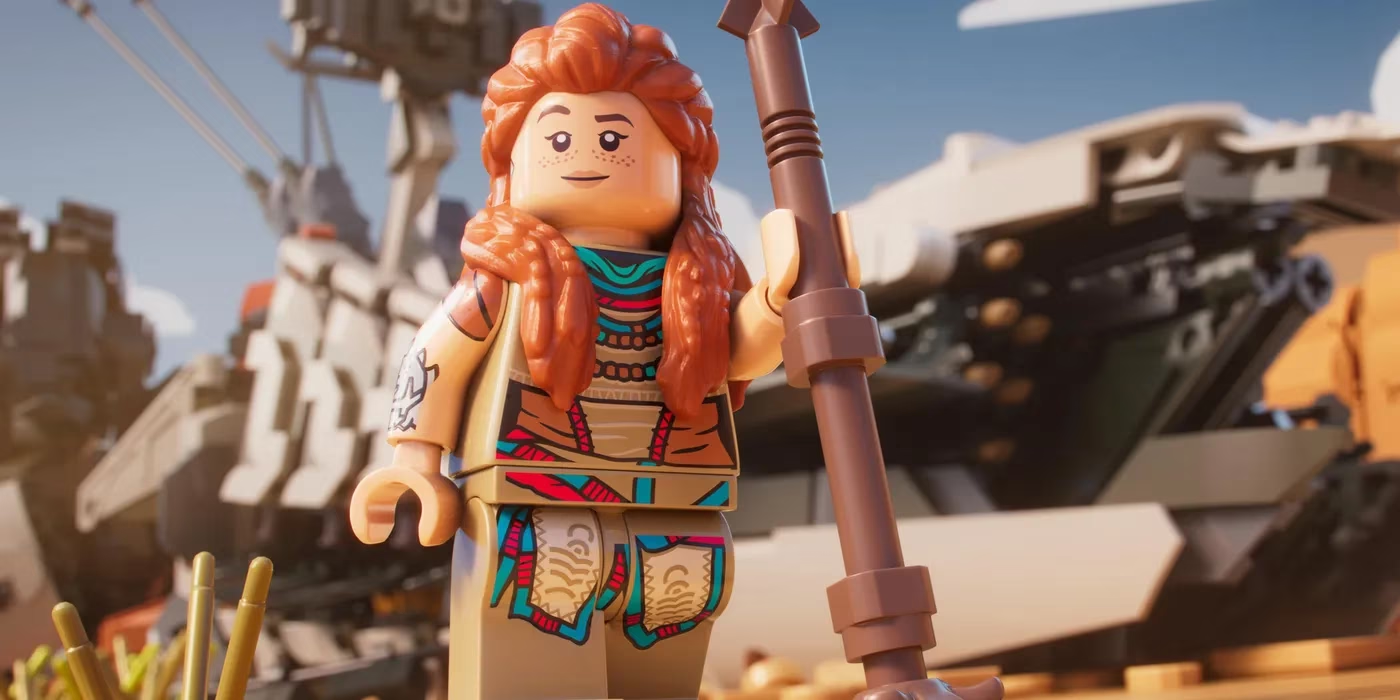
LEGO Horizon Adventures offers a brilliantly unexpected, comedic take on the end of the world. Recreating the machine-infested, tribal landscape of the Horizon series in LEGO form, this game allows Aloy to hunt robotic dinosaurs while also building whimsical villages and hosting dance parties. It's a testament to the genre's flexibility, proving that stories of survival can be both epic and lighthearted, rebuilding society one brightly colored brick at a time.
Industria 2 expands on the cryptic, alternate-history apocalypse of its predecessor. Protagonist Nora, stranded in a Cold War-era Berlin overrun by rogue automatons, now must navigate the political machinations of this fallen world and confront the omnipotent AI controlling it. The sequel aims to deepen the lore of a civilization that rose and fell in an alien timeline, a mystery as layered and complex as a clockwork mechanism sealed inside a forgotten vault.
The Next Metro Game (working title) from 4A Games continues the journey through post-nuclear Russia. Following Metro Exodus's expansion beyond the Moscow tunnels, the next chapter is expected to push further into the open wasteland, potentially embracing a fuller open-world structure. Regardless of scope, the series' hallmarks—a focus on humanity's dual nature, harrowing journeys, and uniquely hostile environments—are sure to return.
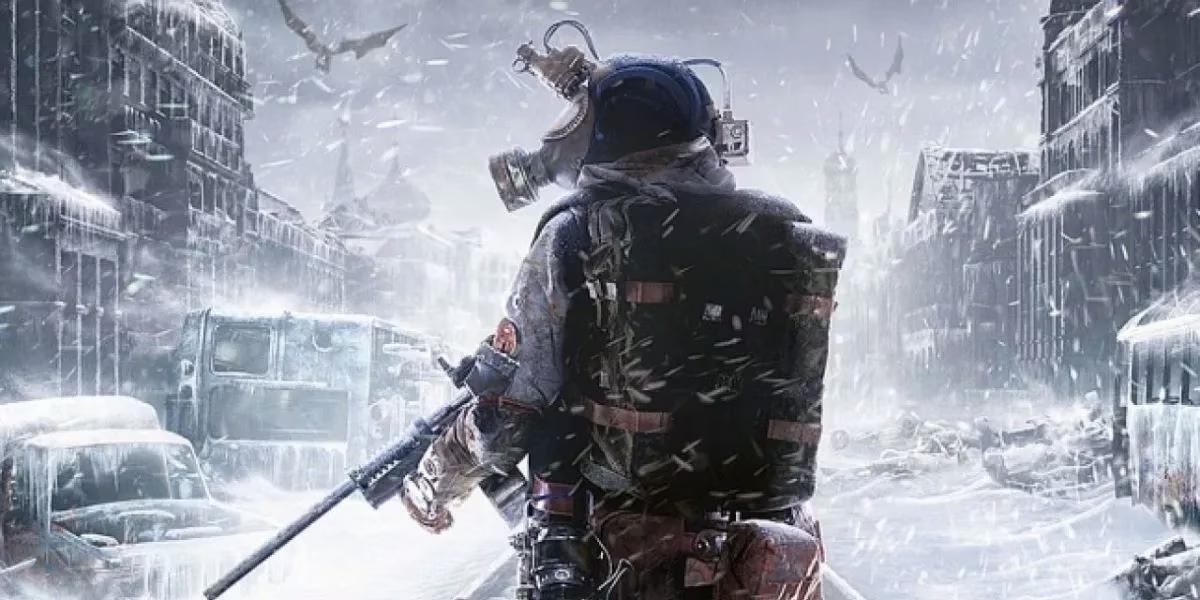
Metro Awakening offers a return to the claustrophobic roots of the series, but in virtual reality. This VR title features an original story about a doctor named Serdar searching the metro for medicine to save his ill wife. Unlike the seasoned soldier Artyom, Serdar is ill-equipped for direct combat, forcing players to rely on stealth, cunning, and scarce resources to survive the mutants, radiation, and hostile factions lurking in the dark. It's a visceral, immersive take on survival that makes the terror of the tunnels feel unnervingly close.
📊 Why the Enduring Appeal?
| Core Theme | Player Appeal | Example in Upcoming Games |
|---|---|---|
| Exploration of Human Nature | Seeing how morality and society break down and reform under extreme pressure. | Judas and its "narrative LEGO" shaped by player choices. |
| The Survival Fantasy | The primal satisfaction of overcoming a harsh, hostile world through skill and grit. | Metro Awakening's resource-scarce VR experience. |
| The Rebuilding Narrative | The hopeful project of creating order from chaos, of finding purpose in desolation. | The community and connection themes in Death Stranding 2. |
| Unique World-Building | Experiencing artistically distinct, often hauntingly beautiful landscapes of ruin. | The painted curse of Clair Obscure or the British countryside of Atomfall. |
As 2026 approaches, the slate of upcoming post-apocalyptic games demonstrates the genre's incredible range and vitality. From the grounded, historical terror of Atomfall to the cosmic, choice-driven drama of Judas, and from the grim seriousness of Gears of War: E-Day to the playful reconstruction of LEGO Horizon Adventures, these worlds offer more than just escapism. They serve as digital proving grounds for our resilience, mirrors reflecting our deepest fears about collapse, and ultimately, stories about the stubborn, often beautiful, will to persist. The end of the world, it seems, is just another beginning for compelling stories.
Comments